

20 Nov Why You Should Plan Your Summer Garden In Winter
Garden designers advise that you should plan your summer garden in winter. But Why? Read this blog to find out.
TL:DR Planning your summer garden in winter isn’t just practical – it’s smart. With the garden laid bare and landscapers more available,winter gives you the clarity (and time) to envisage your dream layout. Start early, and you’ll beat the spring rush, give your plates time to establish strong roots, and end up with a stunning outdoor space ready to shine when the sun returns.
Winter may feel like the least inspiring time of year to start planning a garden, but according to garden designer Katie Moyes from Tapestry Design Studios, starting the design and build process during the colder months of the year increases your chances of having your dream garden brought to life in time for the following summer.
Here are 5 good reasons to begin the garden design and build process during the quieter months of winter.
- This one is obvious… the process of garden design and its construction takes time – the sooner you start, the more likely it is that your garden will be ready for when you’d like to use it.
- Garden designers and landscapers get booked up quickly in the popular spring months. Avoid the queues by getting your garden design confirmed early. It will speed up the quoting process AND ensure that your project is near the top of the queue.
- It’s easier to see the potential in a garden in Winter. The bones of the garden are on show and a successful structure can be more apparent.
- Plants, trees and turf take a while for their roots to establish. The earlier in the season they are planted, the better they’ll look come summer.
- Everyone needs a mood boost in the colder months, and what better way to improve your wellbeing than by taking steps to transform your outdoor spaces?
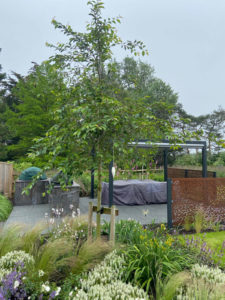
Designing and building a new garden takes time. The sooner you start, the more likely it is that you’ll be able to make full use of your outdoor spaces in summer
How Long Does It Take To Plan A Summer Garden?
The garden design process can take 4-6 weeks, especially if we have other clients to help too. We usually start with a site visit to take measurements and get to know more about your lifestyle, your tastes and your build budget. It’s important to us that your new garden is not only unique to you, but that it’s manageable and that you can make full use of it.
When you have confirmed your garden design, you will want to invite landscapers to quote for the work. A reputable landscaper may not be available instantly but will look carefully at every detail and work out realistic costs for labour and materials. If you receive a very quick quote be careful…they may not be as honest or competent as they seem. Or, as commonly happens when time has not been taken to produce a considered quotation, the costs begin to escalate further down the line.
Quality landscapers will often already be working on another project – or more – and will give you a lead time from when you accept their quote to when you can expect them to begin work on your garden. Don’t forget to factor in the time taken to complete your own landscping, which can be a couple of weeks to some months, depending on the complexity of the build.
You can see already that no part of a garden makeover is instant – at least not if you want to get it right first time. If you don’t start to plan your summer garden in good time, you may well find that when you most want to use it, your garden will still be a work in progress.
How Winter Weather Reveals Your Garden’s True Potential
 Katie soon spotted the potential in this garden in Billericay, despite there being having issues with drainage and accessibility.
Together Tapestry Design Studios and Holland Landscapes completely transformed the way this garden looks and feels.
Read the full case study here
Soggy shrubs, languishing lawns, stained slabs and flopping fences all look their worst in winter. But we garden designers don’t see all that. We see a base plan, structure, views, where the drainage needs improving and where the neighbours can see right into your plot. A Winter garden for us, more than any other time, is just bursting with potential.
There’ll likely be worn areas in the lawn to tell us how you normally travel from one garden feature to the next. With less vegetation we have a better idea of the available space. You’ll also likely be able to reflect on what worked well and what didn’t from the year just gone.
Don’t forget too, that your new garden will be with you all year round. By seeing your plot when daylight levels are weak and all around seems gloomy, our designer eye can start to picture how great the space could really look at this quieter time of year.
We don’t just plan your summer garden, we plan a place that looks and feels good 365 days of the year.
The Optimum Time Of Year For Establishing Plants
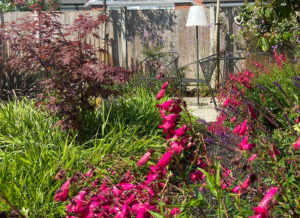
For a riot of summer colour, plant either in spring or the previous autumn. Planting early gives the plants plenty of time to establish good root systems. Plus, they’ll grow fast, meaning that you can use smaller (and therefore lower cost) plants.
In theory, you can lay turf and plant your garden up at any time of year, provided that you can keep the plants well watered. However, any horticulturist will advise you to plant in either spring time or autumn time. In spring, plants will be enjoying longer daylight hours when they can harness the energy of the sun to help them grow roots, leaves and flowers.
In autumn, the soil is still warm and even though it may not look as though there’s much happening, in actual fact most of the plants will be sending their roots even deeper into the soil to help them prepare for the next year. With climate change creating longer, hotter and drier summers, well established root systems will be a life-saver for many plants.
When you create a new lawn, either by seeding or by turfing, the grass will be quite tender until it gets really well established. As a rule of thumb, we say that you should wait 6 weeks before subjecting a turfed lawn to heavy foot traffic. For a seeded lawn, it’s more like 12 weeks. As turfing, seeding and planting are usually the last phase of landscaping, it’s important to start to plan your summer garden early in the year if you plan on picnicking on the lawn in summer.
Boost Your Mood By Starting To Plan Your Summer Garden
It’s harder to think positively when the weather is gloomy, the Christmas lights have been taken down and the evenings are long and dark. But there is hope. Winter doesn’t last forever and already, the daylight hours are starting to get longer.
Scientists tell us that by immersing ourselves in nature, we boost the levels of happy hormones flowing around our bodies. But when you go to work AND come home in the dark, there aren’t too many opportunities to spend time outside. In my experience however, just looking at pictures of wonderful outdoor spaces can really lift your mood. That’s probably why so many people are tempted to browse holiday websites at this time of year.
However, while a holiday in the sun lasts 2 weeks, a beautifully designed and built garden will last you a lifetime. And it will bring you benefits in the winter time as well as the summer. Sounds like a good investment doesn’t it!
Will you start planning your summer garden this week? These blogs will help you to focus your thoughts.
Changing your garden? Here’s how to get started
How To Create A Garden Design Mood Board
Finding A Great Garden Designer
Frequently Asked Questions
When is the best time to design a garden?
Gardens and planting schemes can be designed at any time of year, but professional garden designers advise starting the process during the winter months if possible. This affords you plenty of time to confirm the design and get quotes from reputable landscapers. Most good landscapers will have a waiting list of projects, the earlier your design is confirmed, the quicker you’ll make it to the top of the list. If you want your garden to be ready to use in summer, designing your garden in winter will increase the chances of that happening.
How long does it take to design a garden?
The garden design process generally takes at least four weeks and may take longer if your garden is large, the design is complex or your garden designer has a waiting list of clients. Garden designers tend to be busiest ins spring, so commissioning a garden design over the autumn or winter months could result in a speedier turn around time.
What are the advantages to having a garden designed in winter?
- Winter offers clarity. You can easily assess boundaries, drainage, shade patterns and access routes.
- Garden designers and landscapers are less booked up and likely to be able to start work on your project much sooner than they could if you were to contact them in spring time.
- Your new garden is more likely to be completed and ready to use by summer time.
- Anticipating how your garden will look in summer will give boost your mood and give you something to look forward to.
How does the winter weather influence the garden design process?
Winter highlights issues that are harder to spot in summer. Such as soggy patches, lack of privacy, or areas that feel gloomy. These insights help us design a garden that works beautifully all year round.
Does winter help with planning garden lighting?
Very much so! Shorter days reveal where lighting is most needed – whether for ambience, safety or highlighting key features – making winter an ideal season to plan a year-round lighting scheme.
No Comments